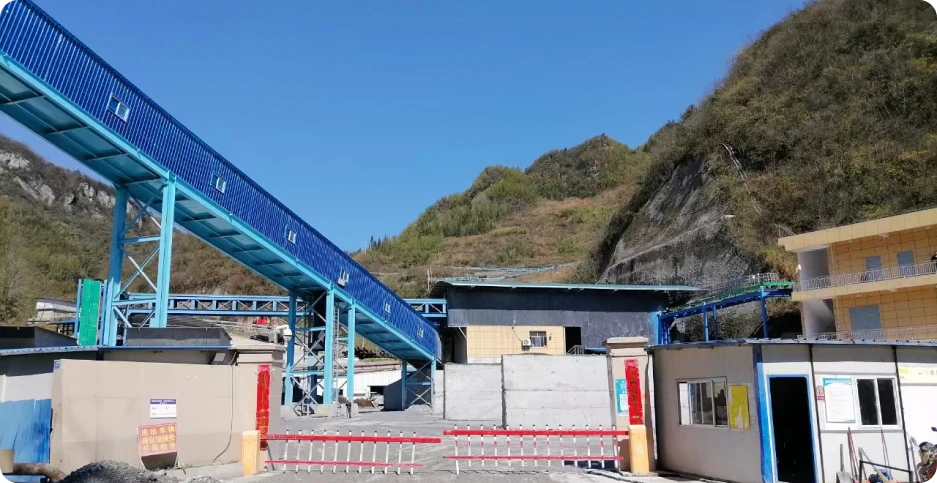
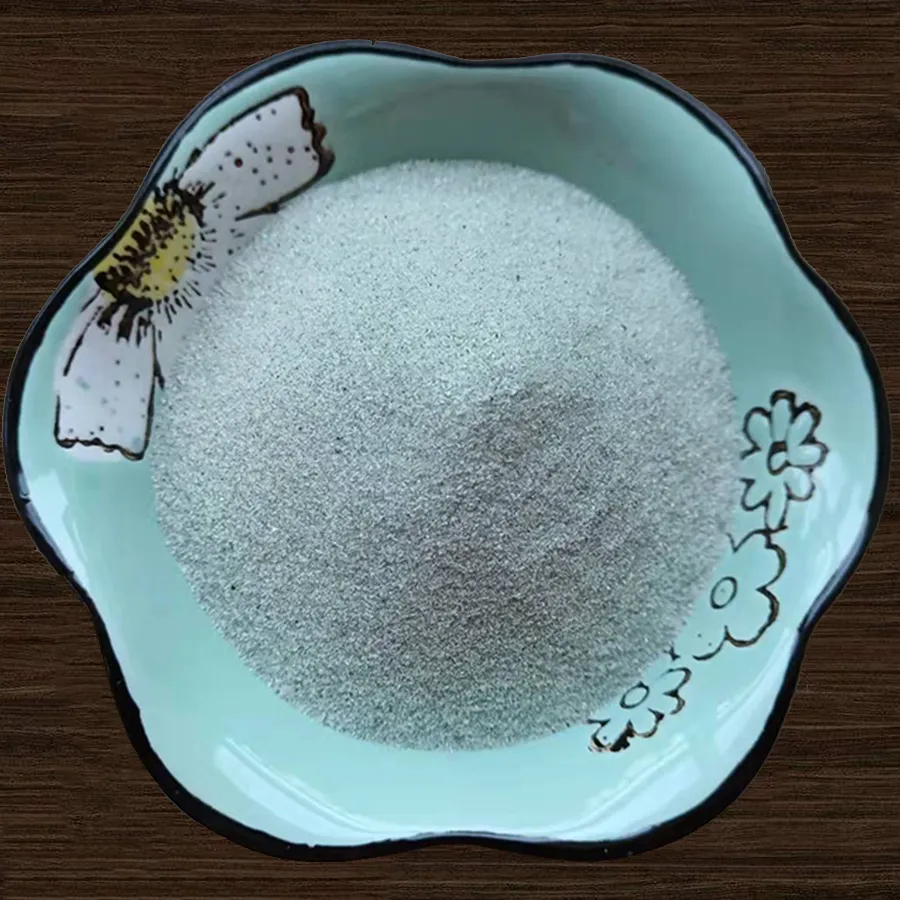
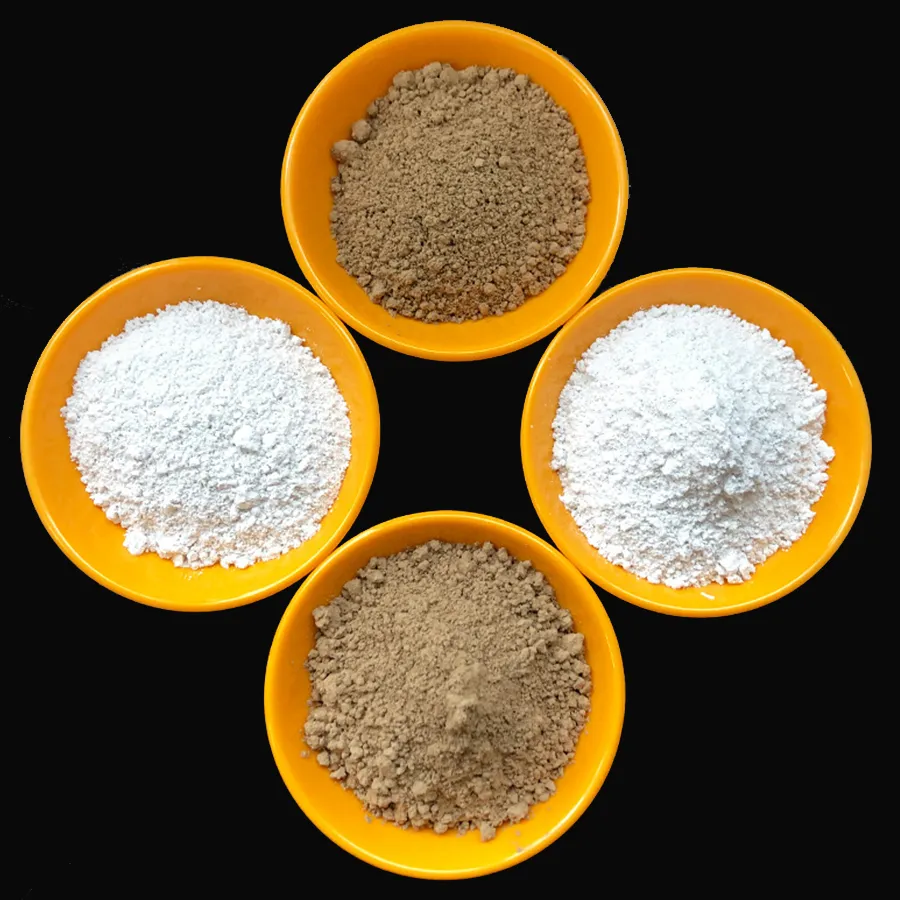
Cenosphere Insider’s Guide: specs, sourcing, and the little tricks buyers actually use I’ve walked more plants than I care to admit, and the most underrated lightweight filler I keep coming back to is the Cenosphere —a hollow aluminosilicate bead skimmed from fly ash. Baifeng’s material comes from Lubai Mountain Village, South Yanchuan, Lingshou County, Shijiazhuang City, Hebei, China. The origin matters (mine geology, feedstock consistency), and yes, buyers do ask. Trend-wise, the market is shifting from “cheap filler” to performance-grade spheres for cementing, coatings, syntactic foams, and refractory. Sustainability narratives help: you’re valorizing industrial byproduct, cutting resin/cement usage, lowering CO2 per unit—small but measurable. To be honest, stockpiled fly ash keeps supply stable even with coal declines. Typical Product Specs (real-world use may vary) Form Hollow ceramic (aluminosilicate) beads Color Grey Available meshes 15, 20, 30, 40, 60, 100 mesh (ASTM E11 sieve) Bulk density ≈0.35–0.45 g/cm³ True density ≈0.60–0.80 g/cm³ Crush resistance (10% fines) ≈1.5–3.5k psi (ISO 13503-2 style method) Thermal stability Up to ~1200°C LOI ≤2% (ASTM D7348) Chemistry (typ.) SiO₂ 55–65%, Al₂O₃ 25–35%, Fe₂O₃ ≤5% How it’s made (brief, but practical) Source fly ash → hydraulic flotation to skim hollow spheres → magnetic separation (reduce Fe) → washing/drying → air classification & sieving (ASTM E11) into 15/20/30/40/60/100 mesh → optional surface treatment (e.g., silane for epoxy) → QC. Particle size by laser diffraction (ISO 13320), bulk density (ASTM D1895), crush test (per ISO 13503-2 logic), moisture, LOI. Service life? Stored dry, essentially indefinite; in cementitious systems, lifespan follows the matrix (decades), which several customers like to mention. Where it’s used Lightweight cement/mortar and grouts (ASTM C109 strength tuned; ASTM C618 guidance for pozzolanic blends). Syntactic foams for marine, ROVs, and buoyancy modules—big on weight savings. Coatings and putties: better sanding, lower shrink, improved spread rate. Refractory castables and insulation—thermal stability helps. Oil & gas cementing (API/ISO cement testing): lower slurry density, manageable rheology. Vendor snapshot (quick compare) Vendor Origin Mesh range Certs Bulk density Custom coats Lead time Baifeng Mining Hebei, China 15–100 ISO 9001; COA per lot 0.35–0.45 g/cm³ Yes (silane) 7–15 days Vendor A India 20–80 ISO 9001 0.40–0.50 g/cm³ Limited 2–4 weeks Vendor B SEA 30–100 REACH-ready 0.38–0.46 g/cm³ On request 3–5 weeks Customization, packaging, QA Meshes: 15/20/30/40/60/100. Surface: untreated or silane. Target bulk density windows can be blended. Moisture ≤0.5% at ship; LOI ≤2%. Packaging: 25 kg bags or 1 t jumbo; palletized, shrink-wrapped. Each lot ships with COA (PSD, bulk density, LOI, moisture). SDS available. Field notes & mini case studies Marine syntactic foam: swapping in Cenosphere cut part weight ≈18% while maintaining compressive performance (customer lab, ISO 604 method analog). “Easier layup, fewer micro-voids,” they told me. Masonry repair mortar: 12% density reduction, yield up ~10%, compressive strength within ±5% of control at 28 days (ASTM C109). Crew said it “trowels lighter, sets clean.” Buyers often say the biggest surprise is processability: slumps stabilize, sanding becomes civilized, and finishes look smoother. Honestly, that’s why repeat orders happen. Quick buying checklist Confirm mesh and PSD (ISO 13320 report). Ask for crush data near your process pressure window. Match surface treatment to resin (epoxy/polyester/PU) or keep Cenosphere untreated for cementitious. Request sample with COA; run your own density and LOI checks. Citations ASTM E11 – Standard Specification for Woven Wire Test Sieve Cloth and Test Sieves. ISO 13320 – Particle size analysis — Laser diffraction methods. ISO 13503-2 – Measurement of Properties of Proppants Used in Hydraulic Fracturing and Gravel-packing Operations. ASTM D7348 – Loss on Ignition of Solid Combustion Residues. ASTM C618 – Standard Specification for Coal Fly Ash and Raw or Calcined Natural Pozzolan for Use in Concrete. API RP 10B-2 – Testing Well Cements (rheology/density guidance for cement slurries).